
Top Patio Materials for Elegant Outdoor Living Spaces

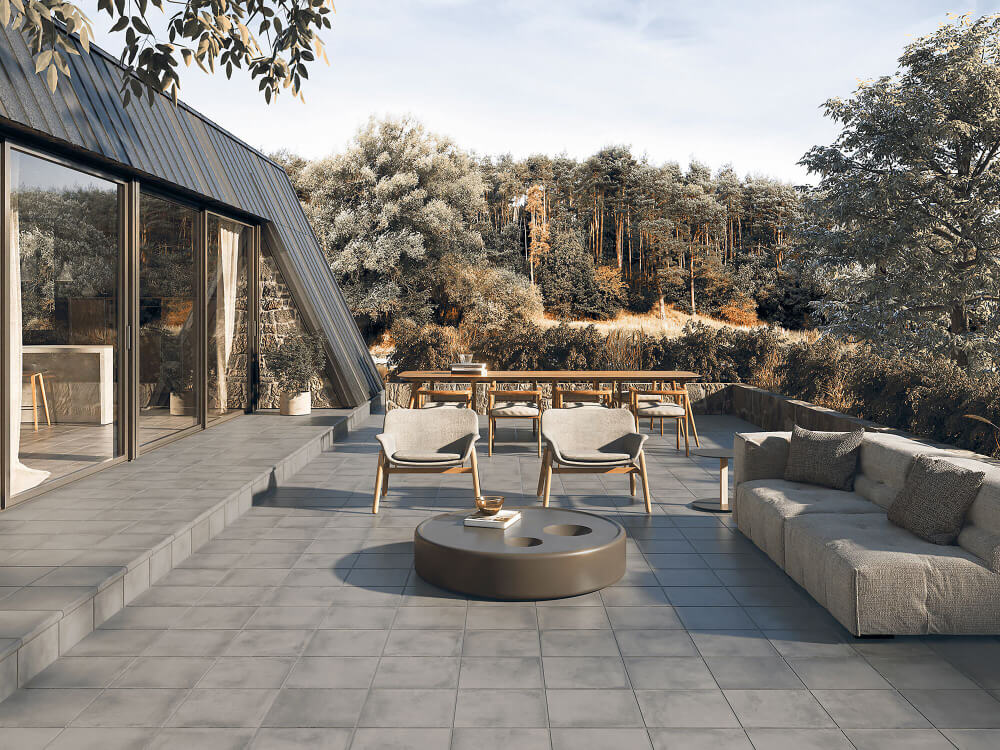
A beautifully designed patio can become one of the most enjoyable areas of your home. It provides a comfortable place for outdoor dining, entertaining guests, relaxing by the pool, or spending a quiet evening around the fire. However, creating an upscale outdoor environment starts with one important decision: choosing the right patio material.
The best patio materials for elegant outdoor living spaces need to offer more than good looks. They should complement your home’s architecture, perform well in changing weather, provide appropriate traction, and withstand years of outdoor use. For homeowners in Middle Tennessee, durability and drainage are particularly important because patios experience hot summers, rain, seasonal temperature changes, and occasional freezing conditions.
From natural stone and travertine to concrete pavers, there are several excellent options. Below, we’ll compare some of the top patio materials and explain where each one works best.
Why Your Patio Material Matters
Your patio is often the foundation of the entire outdoor living design. A pool, outdoor kitchen, fireplace, pergola, or seating area may receive more attention, but the surface connecting these features has a major influence on how the finished backyard looks and functions.
The right patio material can help:
- Establish the overall design style
- Complement your home’s exterior
- Create comfortable walking and seating areas
- Improve transitions between outdoor zones
- Support outdoor kitchens and furniture
- Provide safer surfaces around pools
- Increase the visual appeal of your property
Because patios are long-term investments, material selection should consider both appearance and performance.
1. Natural Stone for Timeless Character
Natural stone is one of the most attractive choices for homeowners who want a sophisticated patio with individual character.
Unlike manufactured products, each piece of natural stone has its own variations in texture, pattern, and tone. This creates a patio that feels authentic and connected to the surrounding landscape.
Depending on the design, natural stone can work beautifully with traditional, rustic, transitional, and luxury homes.
It also pairs naturally with other outdoor features, including retaining walls, fireplaces, water features, and landscaping.
Advantages of Natural Stone
Natural stone can provide:
- Distinctive appearance
- Excellent durability when properly selected and installed
- Natural variation
- Strong integration with landscaping
- A timeless aesthetic
Stone selection should take local climate, surface texture, maintenance, and intended use into consideration. A material that works beautifully for a garden walkway may not necessarily be the best choice immediately around a swimming pool.
2. Travertine for Poolside Elegance
Travertine is a natural stone frequently associated with upscale patios and pool areas.
Its soft, natural appearance works particularly well in Mediterranean, traditional, and resort-inspired outdoor spaces. It is available in several tones, allowing designers to coordinate it with the home’s exterior and other hardscape materials.
One of travertine’s most appealing characteristics for pool areas is its comfortable appearance and textured surface. Properly selected finishes can provide useful traction in spaces where water is frequently present.
Travertine can be used for:
- Pool patios
- Outdoor dining areas
- Walkways
- Courtyards
- Outdoor kitchens
- Lounge areas
When incorporated into a complete design, it can help create the feeling of a private resort.
3. Concrete Pavers for Design Versatility
Concrete pavers are among the most versatile patio materials for elegant outdoor living spaces.
Modern pavers are available in an extensive range of:
- Sizes
- Shapes
- Textures
- Patterns
- Finishes
Some products offer clean contemporary lines, while others are designed to resemble aged stone or other traditional materials.
This versatility allows pavers to work with almost any architectural style.
Another major benefit is repairability. Because a paver patio consists of individual units, affected sections can often be removed and reset if necessary rather than replacing an entire patio surface.
Design Possibilities with Pavers
Pavers can be arranged in patterns such as:
- Running bond
- Herringbone
- Basketweave
- Modular layouts
- Large-format contemporary patterns
Contrasting borders can also be used to define dining areas, walkways, fire features, or pool zones.
For homeowners looking for a combination of durability, customization, and refined appearance, quality pavers deserve serious consideration.
4. Flagstone for a Natural Outdoor Setting
Flagstone is an excellent choice when you want the patio to blend naturally with the surrounding landscape.
Its irregular shapes can create an organic appearance that works particularly well with wooded properties, garden settings, and naturalistic pool designs.
Flagstone can complement:
- Natural stone retaining walls
- Garden beds
- Waterfalls
- Fire pits
- Rustic outdoor fireplaces
- Freeform pools
Rather than making the patio feel highly manufactured, flagstone can help it feel like a natural part of the property.
Proper installation is particularly important. Base preparation, joint treatment, grading, and drainage all influence the long-term performance of a flagstone patio.
5. Porcelain Pavers for Contemporary Outdoor Spaces
Outdoor-rated porcelain pavers have become an increasingly interesting option for homeowners seeking a modern appearance.
They can provide clean lines and consistent finishes that work especially well with contemporary architecture.
Porcelain products are available in designs inspired by materials such as stone and wood, allowing homeowners to achieve a specific aesthetic without necessarily using that natural material throughout the project.
Potential advantages include:
- Consistent appearance
- Low water absorption
- Stain resistance
- Modern design options
- Relatively straightforward cleaning
However, exterior porcelain needs to be specifically selected for outdoor applications. Surface traction, installation method, substrate, and product specifications all matter.
Professional material selection is particularly important around pools and other wet areas.
6. Brick for Traditional Charm
Brick patios have a distinctive appearance that works beautifully with traditional homes and classic landscapes.
Brick can create a warm, established feeling that is difficult to duplicate with other materials. Different installation patterns can also significantly change its appearance.
For example, herringbone can create visual movement, while running bond offers a simpler and more understated look.
Brick works especially well for:
- Courtyards
- Garden patios
- Walkways
- Traditional outdoor dining spaces
- Historic-inspired properties
If your home’s architecture already incorporates brick, extending similar tones into the patio can create a natural visual connection between the house and backyard.
7. Decorative Concrete for Flexible Design
Concrete does not necessarily have to look basic.
Decorative concrete can incorporate textures, patterns, and finishes that give the patio significantly more character than a standard concrete slab.
Depending on the project, homeowners may consider stamped or textured surfaces designed to complement other landscape materials.
Concrete can work well for larger patio areas where a continuous surface is desired.
However, planning for drainage, expansion, cracking, surface texture, and long-term maintenance is important. A professional installer can help determine whether decorative concrete makes sense for the specific property and design.
Which Patio Material Is Best Around a Pool?
Pool patios require additional consideration because the surface will regularly be exposed to water.
Important characteristics include:
- Appropriate slip resistance
- Comfortable walking surface
- Durability
- Drainage
- Resistance to poolside conditions
- Compatibility with coping and surrounding hardscape
Travertine, textured pavers, and selected natural stones are popular possibilities, but the best choice depends on the pool design and specific product.
For a custom gunite pool, the patio material should also complement the waterline tile, coping, interior finish, and overall backyard architecture.
Treating these elements as one design usually produces a much more refined result.
Match Your Patio to Your Outdoor Living Features
An elegant patio rarely exists by itself. It often connects several areas of the backyard.
For example, the same patio may connect your home to a:
- Gunite pool
- Outdoor kitchen
- Fire pit
- Outdoor fireplace
- Pergola
- Pavilion
- Retaining wall
- Garden
- Outdoor dining area
Material transitions need to feel intentional.
You don’t necessarily need to use the same material everywhere. In fact, combining complementary materials can add visual interest.
A paver patio might include natural stone accents. A stone fireplace can repeat colors found in the patio. Borders can define different outdoor rooms without physically separating them.
The goal is consistency rather than exact repetition.
Consider Middle Tennessee Weather and Drainage
Appearance is important, but your patio also needs to perform.
Middle Tennessee properties can experience substantial rainfall as well as changing seasonal temperatures. Proper drainage and installation are therefore essential.
A professionally built patio should consider:
- Existing property slope
- Water runoff
- Drainage direction
- Base preparation
- Soil conditions
- Connections with the home’s foundation
- Pool drainage
- Retaining walls and elevation changes
Even an expensive patio material can perform poorly if the underlying construction is inadequate.
This is why choosing the right contractor matters just as much as choosing the material itself.
Think About Maintenance Before Choosing
Every patio requires some level of maintenance.
Natural materials may develop changes in appearance as they age. Paver joints may occasionally need attention. Some surfaces may benefit from cleaning or sealing depending on the material and manufacturer’s recommendations.
Before making your final selection, consider how much ongoing maintenance you are comfortable performing.
The goal should be to choose a patio that you’ll continue to enjoy—not one that becomes a maintenance burden.
Build the Patio Around How You Live
Design decisions should ultimately reflect your lifestyle.
If you regularly entertain large groups, you may need an expansive, durable patio with clearly defined dining and conversation areas.
If you’re creating a pool retreat, comfortable poolside materials and room for loungers may take priority.
If your ideal evening involves gathering around a fireplace, the patio should provide enough room for comfortable seating and circulation.
Thinking about furniture placement and traffic flow before construction can prevent the finished patio from feeling crowded.
Create an Elegant Outdoor Space with Harpeth Valley Hardscape
At Harpeth Valley Hardscape, we design outdoor living spaces that combine thoughtful planning, quality materials, and skilled installation.
We help Middle Tennessee homeowners create custom environments that can incorporate patios, gunite pools, retaining walls, outdoor kitchens, fire pits, fireplaces, and other hardscape features into one cohesive design.
Choosing among the top patio materials for elegant outdoor living spaces can feel overwhelming because there are so many colors, textures, and products available. Our team can help you evaluate the options based on your home’s architecture, property conditions, lifestyle, and overall backyard vision.
Final Thoughts
The best patio material isn’t simply the most expensive option or the one currently receiving the most attention. It’s the material that fits your home’s style, intended use, maintenance expectations, and surrounding outdoor features.
Natural stone provides timeless character. Travertine can create an elegant poolside environment. Concrete pavers offer tremendous design flexibility. Flagstone brings an organic appearance, while porcelain and brick can serve very different architectural styles.
With careful planning and professional installation, your patio can become the foundation of an outdoor living space your family enjoys for many years.
Ready to create an elegant patio or complete outdoor living space? Fill out the form below to contact Harpeth Valley Hardscape and start planning your project.Contact Harpeth Valley Hardscapes


